
Physical Therapy vs. Surgery: Which Should You Choose?
Deciding how to treat an injury or ongoing pain can be challenging. Many individuals face a common question when exploring treatment options: should they pursue rehabilitation through therapy, or consider a surgical procedure? Both approaches aim to restore function, reduce pain, and help people return to daily activities, yet they involve very different processes, timelines, and levels of intervention.
Physical therapy focuses on improving movement, strengthening the body, and supporting natural healing through guided exercises and therapeutic techniques. Surgery, on the other hand, involves a medical procedure designed to correct structural problems within the body.
Understanding the differences between these treatment options can help people make informed decisions about their care. In many cases, consulting a qualified physical therapist is one of the first steps toward determining the most appropriate path forward.
Understanding Treatment Approaches
Physical therapy and surgery are fundamentally different in how they address injuries and physical limitations. Physical therapy centers on rehabilitation through movement-based treatment plans designed to improve strength, flexibility, and mobility. These programs are often customized to address specific areas of weakness or discomfort while supporting the body’s natural recovery process.
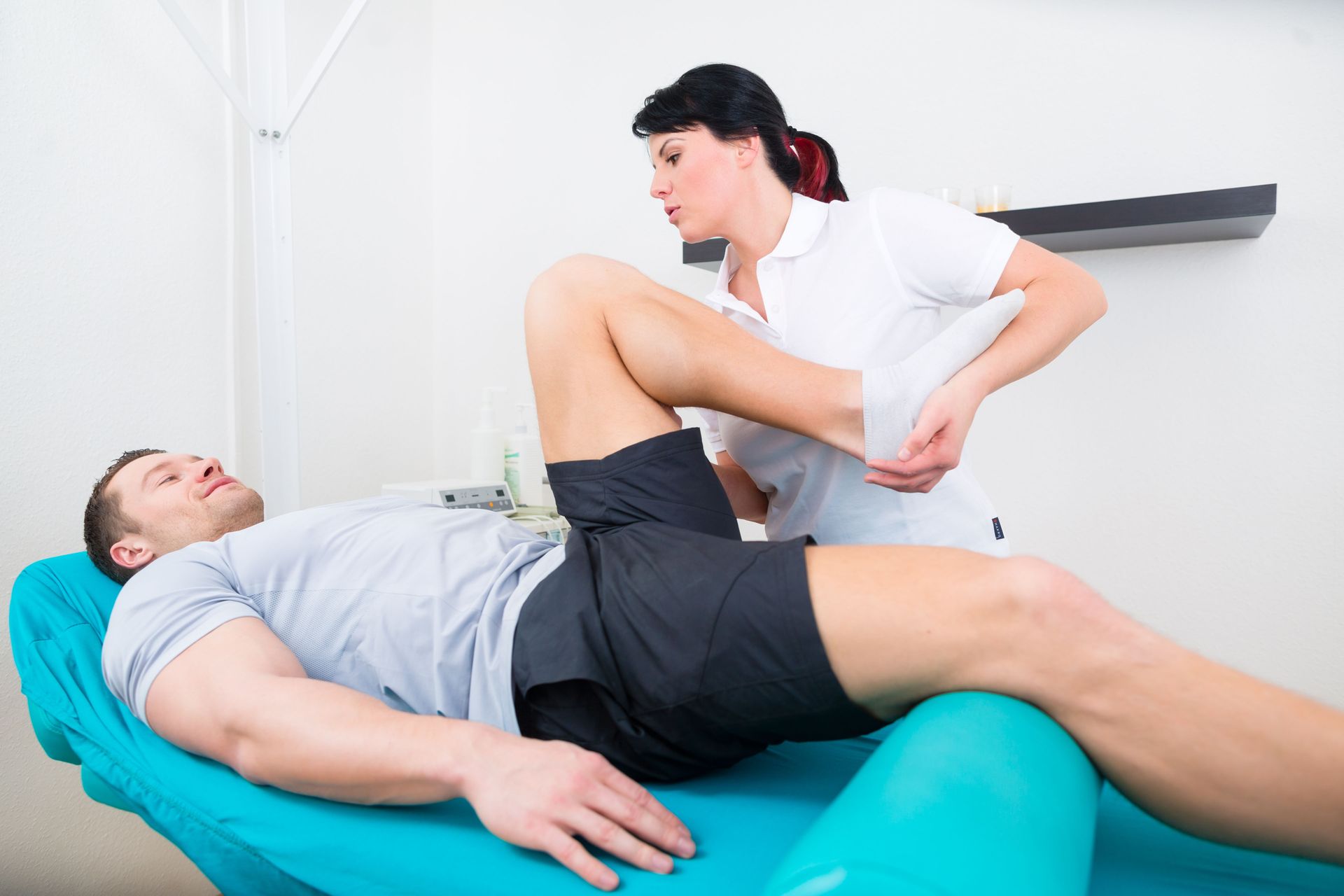
A physical therapist evaluates how the body moves, identifies limitations, and develops exercises or manual techniques to restore function. These treatments may include guided stretching, strengthening exercises, balance training, and mobility work. The goal is to gradually improve physical function while minimizing discomfort and reducing strain on injured areas.
Surgery takes a more direct approach by correcting structural issues through medical procedures. In some cases, damaged tissues may need to be repaired, removed, or reconstructed. Surgical treatment can be effective for certain injuries, particularly when structural damage prevents the body from healing properly on its own.
Understanding how these approaches differ allows patients to consider which treatment aligns best with their needs and circumstances.
Exploring the Benefits of Physical Therapy
Physical therapy offers many benefits for individuals experiencing pain, limited mobility, or injury. One of its primary advantages is that it is a noninvasive treatment approach. Rather than altering the body through surgical procedures, therapy focuses on strengthening existing structures and supporting natural healing.
Working with a physical therapist allows patients to develop targeted treatment plans that address the underlying causes of discomfort rather than only treating symptoms. By improving muscle strength, joint stability, and flexibility, therapy can help reduce stress on injured areas and support better movement patterns.
Physical therapy also encourages active participation in recovery. Patients learn exercises and techniques that can be practiced both during therapy sessions and independently at home. This active approach empowers individuals to take part in their own recovery while building habits that promote long-term physical health.
Another important benefit is that therapy often carries fewer risks compared to surgical procedures. While surgery may be necessary in some cases, it can involve recovery time, potential complications, and additional medical considerations. Physical therapy offers a more conservative option that many healthcare providers recommend exploring first when appropriate.
Considering Situations That May Require Surgery
Although physical therapy provides many advantages, there are circumstances in which surgery may be the most effective treatment option. Severe injuries involving structural damage may require surgical intervention to repair tissues that cannot heal properly through rehabilitation alone.
For example, certain ligament tears, fractures, or joint damage may need surgical correction before rehabilitation can begin. In these situations, surgery addresses the underlying structural problem, allowing therapy to play a supportive role during the recovery process.
Even when surgery is necessary, a physical therapist often becomes an important part of the recovery journey. Rehabilitation following surgery helps patients regain mobility, rebuild strength, and restore function to the affected area. The collaboration between medical professionals and rehabilitation specialists can lead to improved outcomes and a smoother return to normal activities.
When evaluating treatment options, healthcare providers typically consider several factors, including the severity of the condition, the patient’s overall health, and the expected recovery timeline. These considerations help determine whether therapy, surgery, or a combination of both approaches is the most appropriate course of action.
Comparing Recovery Experiences
Recovery experiences can differ significantly between physical therapy and surgical procedures. Physical therapy typically involves gradual improvement through consistent treatment sessions and guided exercises. While progress may take time, the process allows individuals to rebuild strength and mobility in a controlled and supportive environment.
Patients who work with a physical therapist often learn valuable strategies for improving posture, movement patterns, and muscle coordination. These improvements can help prevent future injuries while supporting long-term physical wellness.
Surgical recovery, by contrast, often includes a more intensive healing period. After a procedure, the body must recover from both the underlying condition and the surgical intervention itself. This may involve temporary limitations on movement, rest periods, and follow-up medical care. In many cases, rehabilitation through physical therapy becomes an essential part of surgical recovery.
The key difference lies in the nature of the recovery process. Therapy typically emphasizes gradual improvement through movement, while surgical recovery focuses first on healing before rebuilding physical function.
Evaluating Long-Term Outcomes
When considering treatment options, many individuals want to know which approach offers the best long-term results. The answer often depends on the type of injury and how early treatment begins.
Physical therapy can provide lasting improvements by addressing underlying issues that contribute to pain or limited mobility. Through targeted exercises and guided rehabilitation, patients develop stronger muscles, improved joint stability, and better overall movement patterns.
In some cases, therapy can even help individuals avoid surgery altogether. According to Gitnux, physical therapy can help reduce the need for surgery in certain cases by approximately 20% to 30%. This highlights the value of exploring conservative treatment options before considering more invasive procedures.
A physical therapist evaluates each patient’s condition and creates personalized strategies designed to support long-term recovery. These treatment plans focus not only on relieving current symptoms but also on preventing future problems by improving strength, flexibility, and functional movement.
Surgery, when necessary, can also produce positive long-term results, particularly when structural repair is required. However, the best outcomes often occur when surgical treatment is combined with a structured rehabilitation program that supports recovery and restores mobility.
Choosing the Right Path for Your Needs
Selecting the most appropriate treatment option requires careful consideration of several factors. Every individual’s situation is unique, and treatment decisions should reflect the nature of the condition, the severity of symptoms, and the person’s lifestyle goals.
Consulting with medical professionals and rehabilitation specialists can help clarify which approach may be most beneficial. A physical therapist can assess movement patterns, evaluate muscle strength, and determine whether therapy may effectively address the issue.
Many healthcare providers encourage patients to explore conservative treatment options before considering surgery whenever possible. Physical therapy offers a pathway that supports natural healing while strengthening the body and improving mobility.
At the same time, surgery remains an important medical solution for conditions that cannot be resolved through therapy alone. The goal is not to choose one approach universally, but rather to determine which treatment best supports recovery for each specific case.
Choosing between physical therapy and surgery can feel overwhelming, but understanding the differences between these treatment options can make the decision easier. Physical therapy focuses on restoring strength, flexibility, and movement through guided rehabilitation, while surgery addresses structural issues that may require medical intervention.
In many cases, working with a skilled physical therapist provides an opportunity to pursue recovery through noninvasive treatment before considering surgical procedures. If you are experiencing pain, limited mobility, or recovering from an injury, the team at Mobile Rehab Physical & Occupational Therapy can help guide you toward the right solution. Their experienced professionals are dedicated to providing personalized care and rehabilitation strategies that support safe, effective recovery and improved quality of life.















Share On: